
A real mouthpiece with a camera inside, showing what your lips are actually doing while you play.
```
The Lip Cam lets brass players see the part of playing that has always been hidden: the aperture.
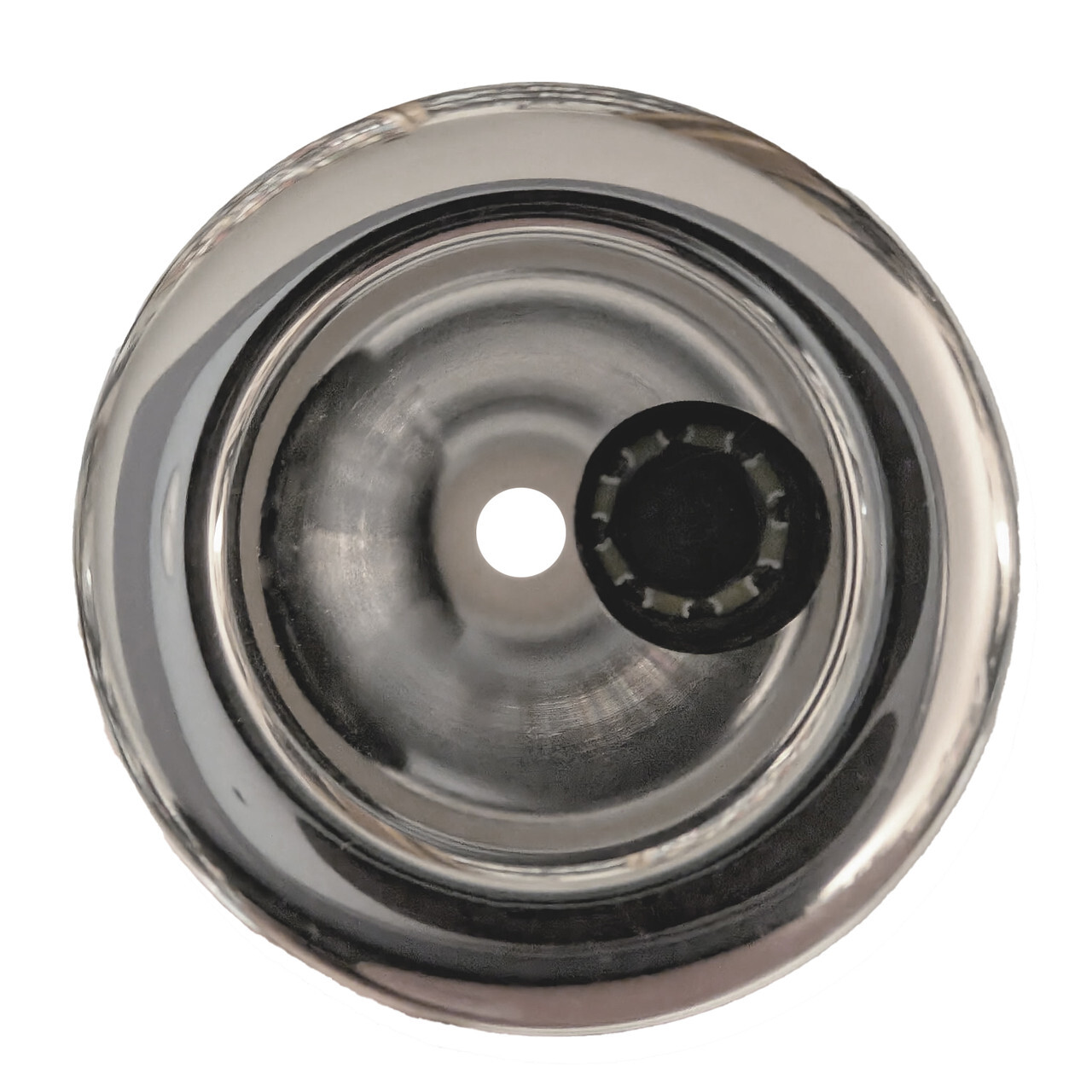
See your lips, aperture shape, movement, pressure, and setup live while you play.
Unlike awkward visualizers, The Lip Cam forms a tight seal so it feels and sounds much closer to normal playing.
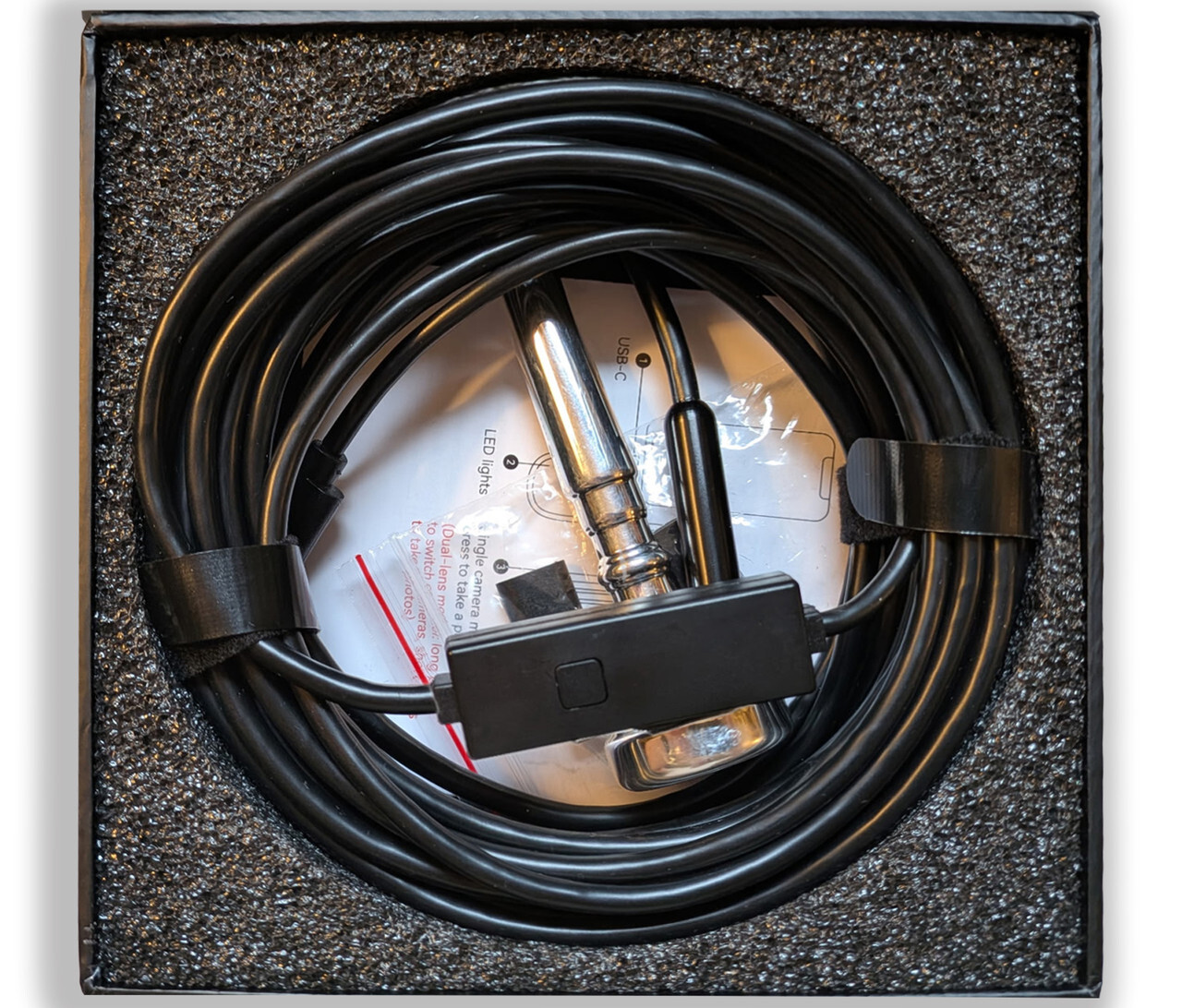
View on a phone, tablet, computer, or television using the camera app.
Plug it in, open the app, line up the aperture, and start learning what is really happening.
Mirrors lie. Teachers guess. Your face feels fine. But the thing actually making the sound has been invisible — until now.
Stop Guessing. See It.We are all still learning what this means. That is part of what makes it exciting.
```
Anyone who wants better answers than “try this and see if it feels better.”
Stop guessing between lessons. See what changes when playing gets easier, tighter, clearer, or worse.
Find out what might be holding you back in range, flexibility, articulation, response, and consistency.
Show students what words can’t explain. The conversation changes when everyone can finally see the same thing.
Choose the TLC size that best matches your normal trumpet mouthpiece setup.
An efficient 1C orchestral size.
An all-around mouthpiece copied from a Mt. Vernon 3C.
A small diameter lead mouthpiece. *has a smaller field of view*
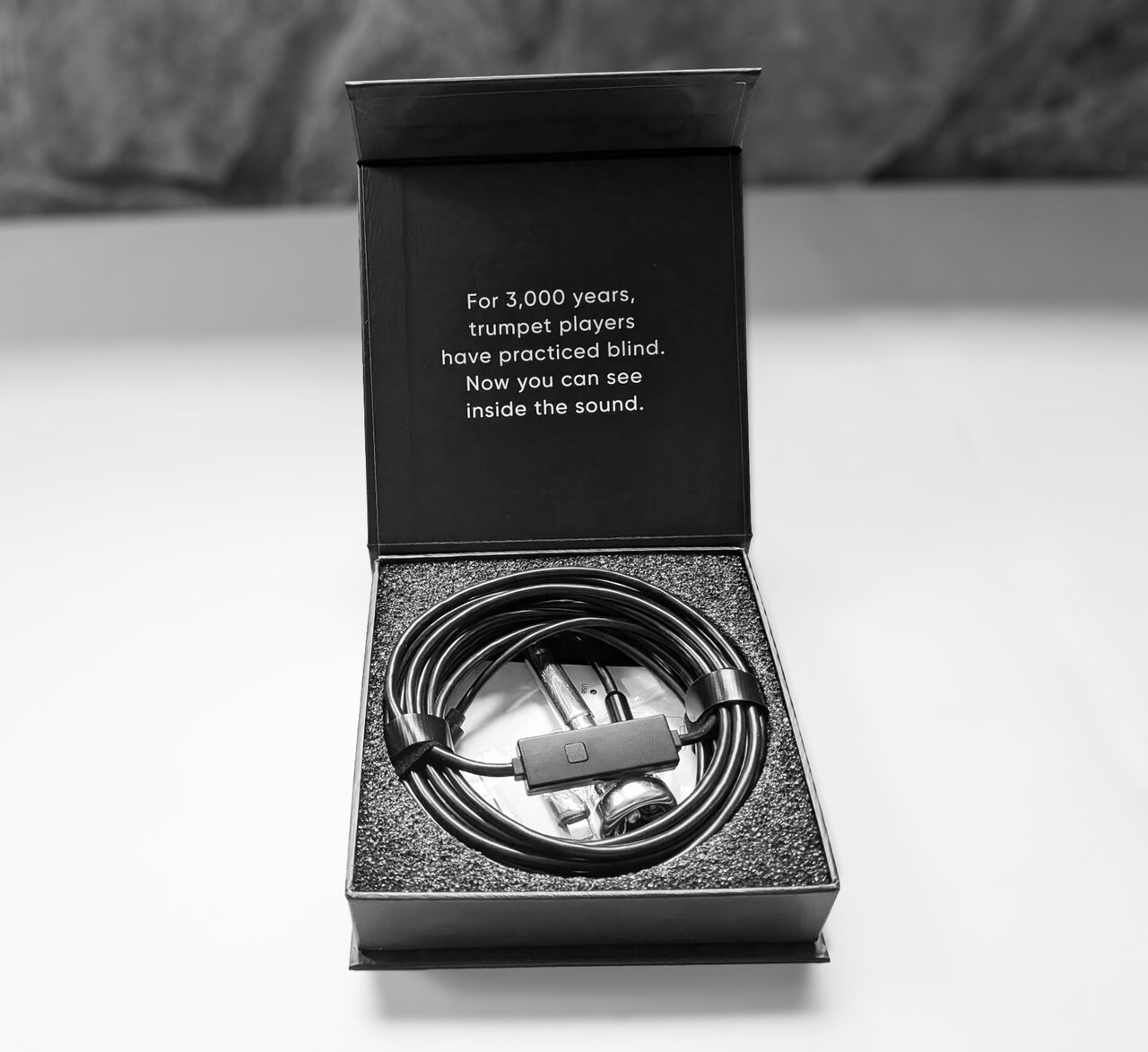
Start with familiar exercises. Do not try to fix everything on day one. Just observe.
The honest answer: we do not fully know yet. But a few things are already worth paying attention to.
It seems beneficial to reduce extra aperture motion that is not helping the sound, response, or flexibility.
Watch what happens as you ascend. “Slamming the door” on the aperture does not appear to be a great strategy.
Compare what your aperture does when playing feels easy, clear, and efficient versus tight, unstable, or forced.
Most modern smartphones. It can also be viewed on tablets, computers, and televisions.
Yes. And you will probably watch it more than you expect.
Trumpet is available now. Trombone, tuba, euphonium, and horn versions are in development.
No. You are already amazing. This just gives you better information.
A little. But in the best possible way.
The first time you see what is happening inside the mouthpiece, there is a pretty good chance you’ll say, “Wait... I’m doing that?”
Yes — you are probably doing some weird stuff in there. We all are. That is exactly why TLC is useful. It does not judge your playing. It just lets you finally see what has been hidden the whole time.
For the first time, brass players can watch the aperture while actually playing. That changes the conversation.
``` ```